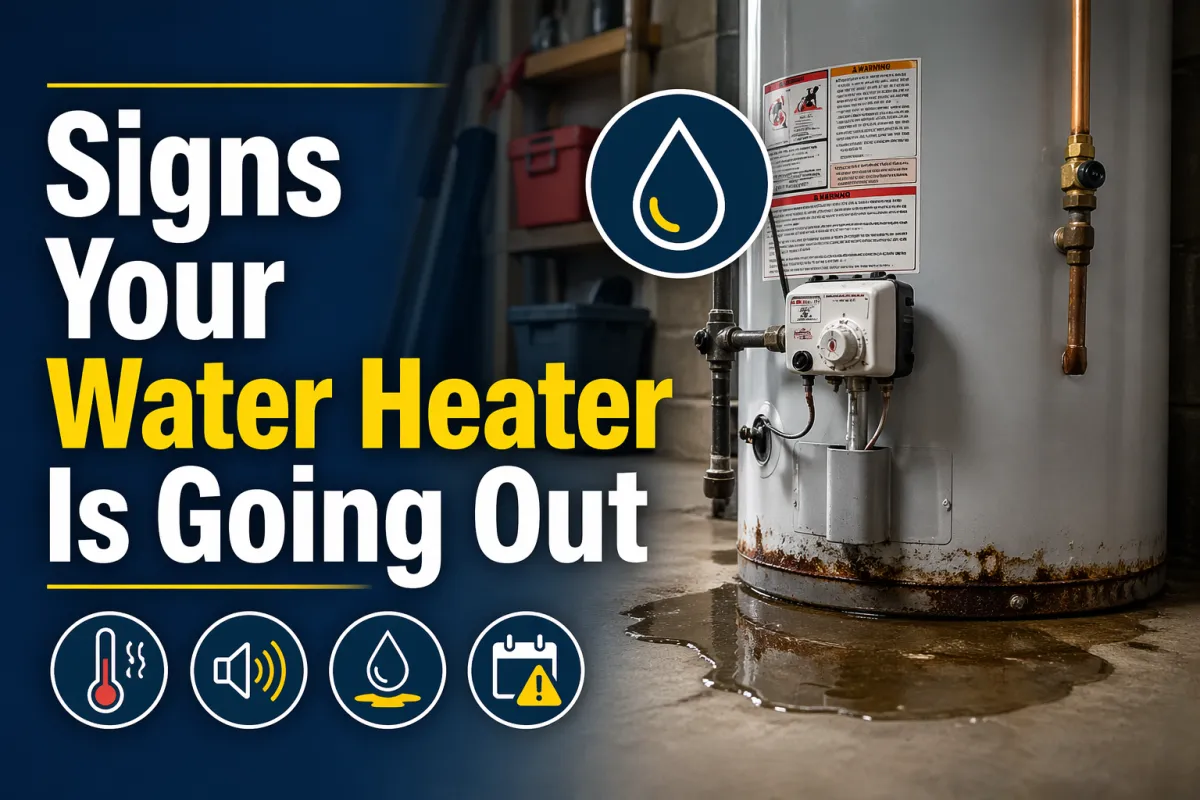
Signs Your Water Heater Is Going Out: What Southern Manitoba Homeowners Should Watch For | Trav's Plumbing & HVAC
Nobody thinks much about their water heater—until the hot water suddenly disappears before a shower, you notice water pooling near the tank, or your utility bill starts creeping up for no obvious reason.
And water heaters usually don’t fail without warning.
In many cases, your system will show clear signs your water heater is going out before it completely breaks down.
Catching these issues early can help you avoid water damage, emergency repairs, and the stress of losing hot water when you need it most.
If you’re wondering how to tell if your water heater is bad, here’s what to watch for.
Quick Signs Your Water Heater Is Going Bad
If you want the short answer, common signs water heater is going bad include:
Hot water running out faster than normal
Inconsistent water temperatures
Strange popping or rumbling noises
Rust-colored water
Water pooling around the tank
Low hot water pressure
Rising utility bills
Frequent repairs
An aging unit that’s over 8–12 years old
If you’re noticing multiple issues at once, your water heater may be nearing the end of its lifespan.
How Long Does a Water Heater Usually Last?
Traditional tank water heaters typically last 8–12 years
Tankless water heaters often last 15–20 years
That lifespan can be shorter due to:
Hard water mineral buildup
Lack of maintenance
Heavy household usage
Poor installation
Manitoba’s cold winters putting additional demand on plumbing systems
For many Southern Manitoba homeowners, hard water sediment buildup can wear tanks down faster than expected.
9 Signs of a Hot Water Heater Going Out
1. Your Hot Water Runs Out Faster Than It Used To
If your shower suddenly turns cold halfway through, your water heater may be struggling.
Possible causes include:
Sediment buildup
Heating element failure
Thermostat issues
Aging internal components
This is often one of the first signs of hot water heater going out.
2. Your Water Temperature Keeps Changing
Your water may feel hot one minute and cold the next.
This may happen because of:
Broken thermostats
Heating element problems
Electrical issues
Sediment buildup
Temperature inconsistency is one of the most common water heater failing signs.
3. Your Water Heater Is Making Strange Noises
Popping, banging, crackling, or rumbling noises often point to sediment buildup at the bottom of the tank.
As water gets trapped under hardened sediment, the heater works harder and becomes less efficient.
This can eventually damage the tank.
4. Your Hot Water Looks Rusty
If only your hot water looks rusty or discolored, your water heater tank may be corroding.
Possible causes include:
Tank corrosion
A failing anode rod
Rust buildup inside the unit
A plumber can help determine whether the issue is coming from your tank or your pipes.
5. There’s Water Around Your Water Heater
Water around the tank should never be ignored.
It could be caused by:
Loose connections
Pressure relief valve issues
Cracks in the tank
Internal tank failure
A leaking water heater can quickly damage flooring and nearby belongings.
6. Your Hot Water Pressure Has Dropped
Mineral buildup can clog pipes and reduce hot water flow.
You may notice:
Weak showers
Slow sink flow
Uneven water pressure
This may not always mean total failure—but it’s worth investigating.
7. Your Utility Bills Are Increasing
Older water heaters often lose efficiency.
If your energy bill keeps climbing without major lifestyle changes, your unit may be working harder than it should.
8. You Keep Paying for Repairs
Occasional repairs happen.
But if your water heater constantly needs service, replacement may be more cost-effective.
9. Your Water Heater Is More Than 10 Years Old
Older units become more vulnerable to leaks, corrosion, and breakdowns.
You can often check the manufacturer label on brands like Rheem or A. O. Smith Corporation to determine the age of your unit.
Is It a Leak or Just Condensation?
Not every puddle means disaster.
Sometimes moisture near your water heater comes from:
Condensation
Loose fittings
Minor valve leaks
But if water continues pooling around the base of the tank, have it inspected immediately.
Repair vs Replace: How Do You Know?
Replace Your Water Heater If:
It’s over 10 years old
The tank is leaking
You keep repairing it
Your water is rusty
Your hot water keeps running out
Repair It If:
The thermostat failed
The pilot light won’t stay lit
A valve needs replacing
The issue is minor and the tank is relatively new
How Much Does Water Heater Repair vs Replacement Cost?
Costs vary depending on the issue and type of system.
Minor repairs may include:
Thermostat replacement
Valve repairs
Heating element replacement
These are often far less expensive than full replacement.
Full replacement costs can increase depending on:
Installation complexity
Whether you upgrade to tankless
Getting the issue diagnosed early often helps homeowners avoid larger costs later.
What To Do If Your Water Heater Is Failing
If you suspect your water heater is failing:
Turn off power if you notice major leaks
Shut off the water supply if necessary
Avoid trying to repair gas systems yourself
Call a licensed plumber for an inspection
And if your basement is flooding, act quickly to prevent water damage.
Can a Failing Water Heater Be Dangerous?
Yes.
A failing water heater can cause:
Flooding
Mold growth
Gas leaks
Electrical hazards
Complete hot water loss
That’s why it’s best not to ignore warning signs.
How to Make Your Water Heater Last Longer
You can extend your unit’s lifespan by:
Flushing it annually
Replacing the anode rod when needed
Scheduling regular maintenance
Fixing small issues early
Keeping temperature settings at safe levels
Preventative maintenance can help you avoid surprise breakdowns.
When to Call a Plumber for Water Heater Problems in Southern Manitoba
Call a plumber if:
You have no hot water
Your tank is leaking
You hear loud noises
Your water looks rusty
Your system keeps breaking down
Trav’s Plumbing & HVAC LTD helps homeowners throughout Southern Manitoba diagnose water heater problems before they become major emergencies.
Whether you need repairs, maintenance, or a full replacement, our team can help restore your hot water quickly.
Final Thoughts
Most water heaters don’t completely fail overnight.
They usually give you warning signs first.
If you notice inconsistent hot water, leaks, strange noises, or rising utility bills, addressing the issue early can save you money—and help you avoid being stuck without hot water in the middle of a Manitoba winter.
Frequently Asked Questions
Can a water heater fail suddenly?
Yes, but many water heaters show warning signs first. Leaks, strange noises, and inconsistent hot water are often early indicators.
Should I replace my water heater before it leaks?
If your unit is older and showing multiple problems, replacing it before a leak happens can help prevent water damage.
Why is my water heater making popping noises?
This usually happens because sediment builds up at the bottom of the tank and traps water underneath it.
Can I still use a leaking water heater?
It depends on the leak, but continuing to use a leaking tank can lead to major damage. Have it inspected quickly.
How long can I wait before replacing a failing water heater?
If your tank is actively leaking or showing multiple warning signs, it’s best not to wait long.
