Why Is My Water Heater Leaking I Trav's Plumbing & HVAC Ltd.
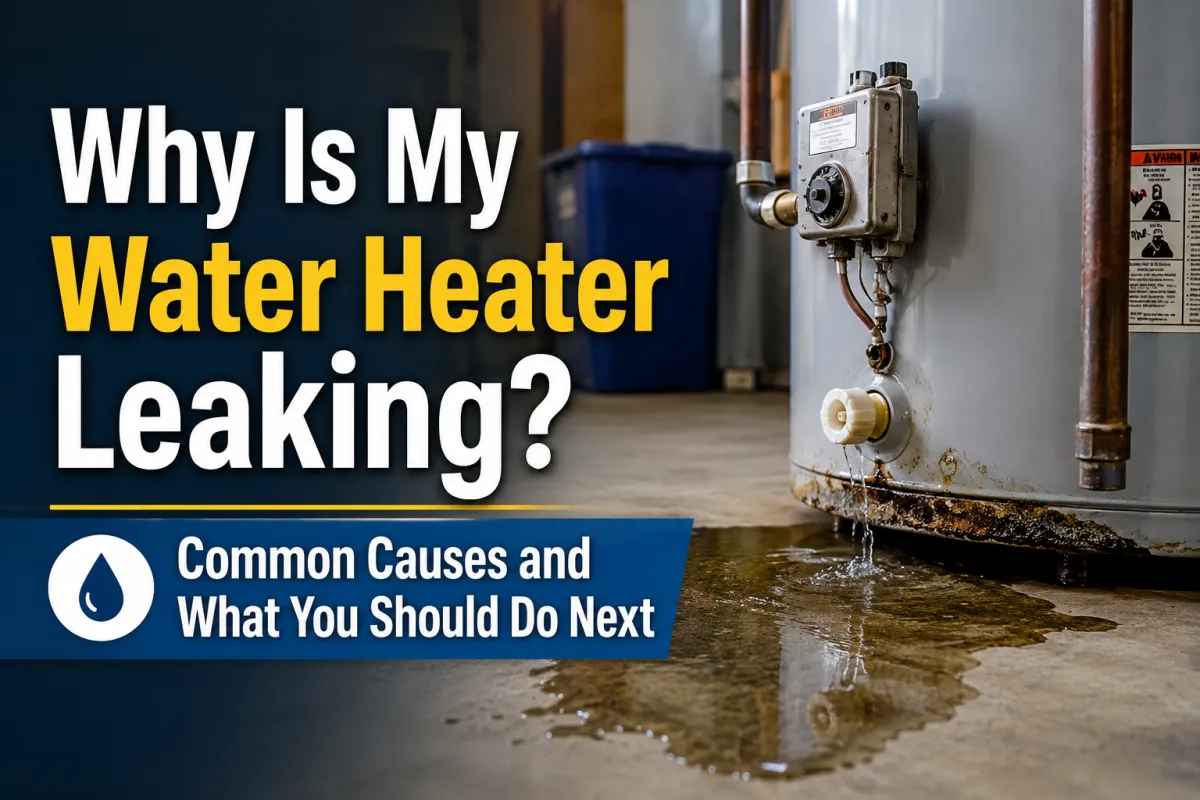
If you discover water pooling around your hot water tank, it is normal to feel concerned.
A leaking water heater can cause water damage, mold growth, higher utility bills, and in some cases complete tank failure.
The good news is that not every leak means you need a new water heater.
Some problems are relatively minor, such as a loose connection or faulty valve.
Others, like internal tank corrosion, are more serious and may require replacement.
If you are wondering, “Why is my water heater leaking?”
This guide will help you understand the most common causes, how to identify where the leak is coming from, and what steps you should take next to service your water heater.
Quick Answer: Why Is My Water Heater Leaking?
Water heaters commonly leak because of:
Loose plumbing connections
Faulty drain valves
Pressure relief valve problems
Sediment buildup
Internal corrosion
Cracked tanks
Excessive water pressure
The location of the leak often helps determine how serious the issue is.
For example:
Leaks from fittings or valves are often repairable
Leaks from the actual tank usually mean replacement is needed
What Should You Do if Your Water Heater Is Leaking?
If your water heater is leaking, acting quickly may help reduce damage to your home.
1. Turn Off the Power
For electric water heaters:
Shut off power at the breaker panel
For gas water heaters:
Turn the gas control valve to the “off” position
Avoid touching electrical components if water is nearby.
2. Shut Off the Water Supply
Locate the cold water shutoff valve above the water heater and turn it off to stop additional water from entering the tank.
3. Check Where the Leak Is Coming From
Try to identify whether the water is coming from:
The top of the tank
The bottom of the tank
A pipe connection
The drain valve
The pressure relief valve
The location can help determine whether the issue may be repairable.
4. Remove Standing Water
Drying the area can help reduce:
Water damage
Slipping hazards
Mold or mildew growth
5. Call a Plumber if the Leak Continues
Even small leaks can become larger problems over time.
A professional inspection can help determine whether your water heater should be repaired or replaced.
Is a Leaking Water Heater Dangerous?
A leaking water heater can become dangerous if ignored.
Potential risks include:
Damage to flooring drywall and belongings
Mold and mildew growth
Electrical hazards
Increased water pressure inside the tank
Gas-related safety concerns for gas water heaters
Sudden tank rupture
If you notice heavy leaking, corrosion, or unusual noises, the unit should be inspected as soon as possible.
Why Is My Water Heater Leaking From the Bottom?
A water heater leaking from the bottom is one of the most common issues homeowners experience.
Several different problems can cause this.
Drain Valve Leak
The drain valve sits near the bottom of the tank and is used for maintenance and flushing sediment.
Over time the valve may:
Loosen
Crack
Wear out
Develop slow drips
Sometimes tightening the valve helps.
In other cases, the valve may need replacement.
Internal Tank Corrosion
If water is leaking directly from the tank itself, internal corrosion may be the cause.
As water heaters age, the protective inner lining can break down.
Rust and corrosion eventually weaken the metal tank.
Common signs include:
Rust-colored hot water
Corrosion near the bottom of the unit
Water pooling beneath the tank
Older water heater age
Unfortunately, a leaking tank is usually not repairable.
Sediment Buildup
Sediment naturally collects at the bottom of the tank over time.
This buildup can:
Trap heat
Cause overheating
Damage the tank lining
Increase internal pressure
Accelerate corrosion
Hard water can make sediment problems worse.
Condensation
In some situations, what looks like a leak is actually condensation.
This may happen:
During periods of heavy hot water usage
In humid environments
When cold water rapidly enters a hot tank
Condensation is usually temporary and less serious than a true leak.
Why Is My Water Heater Leaking From the Top?
Leaks from the top of the water heater are often easier to repair than tank leaks.
Loose Pipe Connections
Hot and cold water supply lines may loosen over time because of:
Temperature expansion
Vibration
General wear
Signs include:
Dripping near fittings
Moisture around pipes
Water running down the side of the tank
Faulty Inlet or Outlet Connections
Worn seals or damaged fittings may allow water to escape where the plumbing lines connect to the water heater.
These parts are often repairable if addressed early.
Corroded Plumbing Pipes
Sometimes nearby plumbing pipes are the actual source of the leak.
Corrosion can cause water to drip onto the water heater and create the appearance of a tank problem.
Why Is My Water Heater Leaking From the Pressure Relief Valve?
The temperature and pressure relief valve, often called the T&P valve, is designed to release excess pressure from inside the tank.
If this valve leaks, possible causes include:
Excessive water pressure
Overheating
Thermal expansion
A faulty valve
A leaking pressure relief valve should never be ignored because it may signal unsafe pressure inside the system.
Why Is My Water Heater Leaking After a Shower?
Some homeowners only notice leaking after using large amounts of hot water.
This may happen because:
Heat increases pressure inside the tank
Small cracks expand as the tank heats
Condensation forms after heavy use
Valves begin dripping under pressure
If leaking consistently appears after showers or laundry cycles, the water heater should be inspected.
Can a Leaking Water Heater Be Repaired?
Some leaks are repairable while others require full replacement.
How Long Will a Water Heater Last After It Starts Leaking?
The answer depends on the source of the leak.
Minor leaks from valves or fittings may continue for some time if repaired quickly.
However, if the actual tank is leaking, failure can happen suddenly.
A leaking water heater tank may last:
A few days
A few weeks
Or fail unexpectedly without warning
Waiting too long can increase the risk of flooding and expensive property damage.
Signs You May Need a New Water Heater
In many cases, replacing the water heater may be more cost-effective than repeated repairs.
Common warning signs your water heater needs replacing include:
Water leaking directly from the tank
Rust-colored hot water
Frequent repairs
Strange popping or rumbling noises
Inconsistent hot water
Visible corrosion
Unit age over 10-12 years
Older tanks are more likely to fail unexpectedly once leaking begins.
How Hard Water Can Affect Water Heaters
Hard water can shorten the lifespan of a water heater over time.
Minerals like calcium and magnesium can build up inside the tank and create thick sediment layers.
This buildup may lead to:
Reduced efficiency
Overheating
Increased wear on components
Corrosion
Higher energy bills
Increased pressure inside the tank
Routine flushing and maintenance can help reduce sediment-related problems.
How to Help Prevent Water Heater Leaks
While not every leak can be prevented, proper maintenance may help extend the life of your water heater.
Helpful maintenance steps include:
Flushing the tank annually
Inspecting for corrosion
Checking valves and fittings
Monitoring water pressure
Replacing the anode rod when needed
Scheduling professional inspections
Preventive maintenance can help identify small issues before they become major plumbing problems.
Should You Repair or Replace a Leaking Water Heater?
The best option often depends on:
The age of the unit
The location of the leak
Repair costs
The condition of the tank
When Should You Call a Professional Plumber?
You should contact a plumber if:
Water is leaking directly from the tank
The leak continues getting worse
You notice rust or corrosion
The pressure relief valve keeps dripping
Your basement or utility room is flooding
You smell gas near the water heater
You are unsure how to safely shut the system down
Professional inspection can help determine whether the safest solution is repair or replacement.
How Trav’s Plumbing & HVAC Can Help
Trav’s Plumbing & HVAC helps homeowners diagnose and repair leaking water heaters.
Whether the issue involves a loose connection faulty valve sediment buildup or a failing hot water tank, our team can help identify the cause and recommend the right service for your home.
Addressing water heater leaks early may help reduce water damage, improve efficiency and restore reliable hot water before the problem becomes more serious.
FAQ: Why Is My Water Heater Leaking
Why is my water heater leaking from the bottom?
A water heater leaking from the bottom may be caused by a faulty drain valve, sediment buildup, condensation, or internal tank corrosion. If the actual tank is leaking, replacement is often necessary.
Can I still use my water heater if it is leaking?
It depends on the source and severity of the leak. Small leaks from fittings or valves may not require immediate shutdown, but leaks from the tank itself can worsen quickly and should be inspected right away.
Is a leaking water heater an emergency?
A leaking water heater can become an emergency if water is actively pooling, flooding occurs, or the leak involves electrical or gas components. Larger leaks should be addressed immediately to help prevent damage and safety risks.
Should I turn off my water heater if it is leaking?
Yes. In most cases, it is a good idea to turn off the power or gas supply and shut off the water supply to help reduce damage until the problem can be inspected.
How long does a water heater last after it starts leaking?
The lifespan depends on the cause of the leak. Minor valve leaks may be repairable, while a leaking tank could fail unexpectedly within days or weeks.
Why is my hot water heater leaking from the top?
Leaks from the top are often caused by loose plumbing connections, worn fittings, faulty valves, or nearby pipe corrosion.
Can sediment buildup cause a water heater to leak?
Yes. Sediment buildup can trap heat, increase pressure, damage the tank lining, and accelerate corrosion over time.
Is it better to repair or replace a leaking water heater?
If the leak comes from a valve or connection, repair may be possible. However, if the tank itself is leaking or the unit is older, replacement is often the better long-term solution.
